What Does Toad Poop Look Like? What to Expect
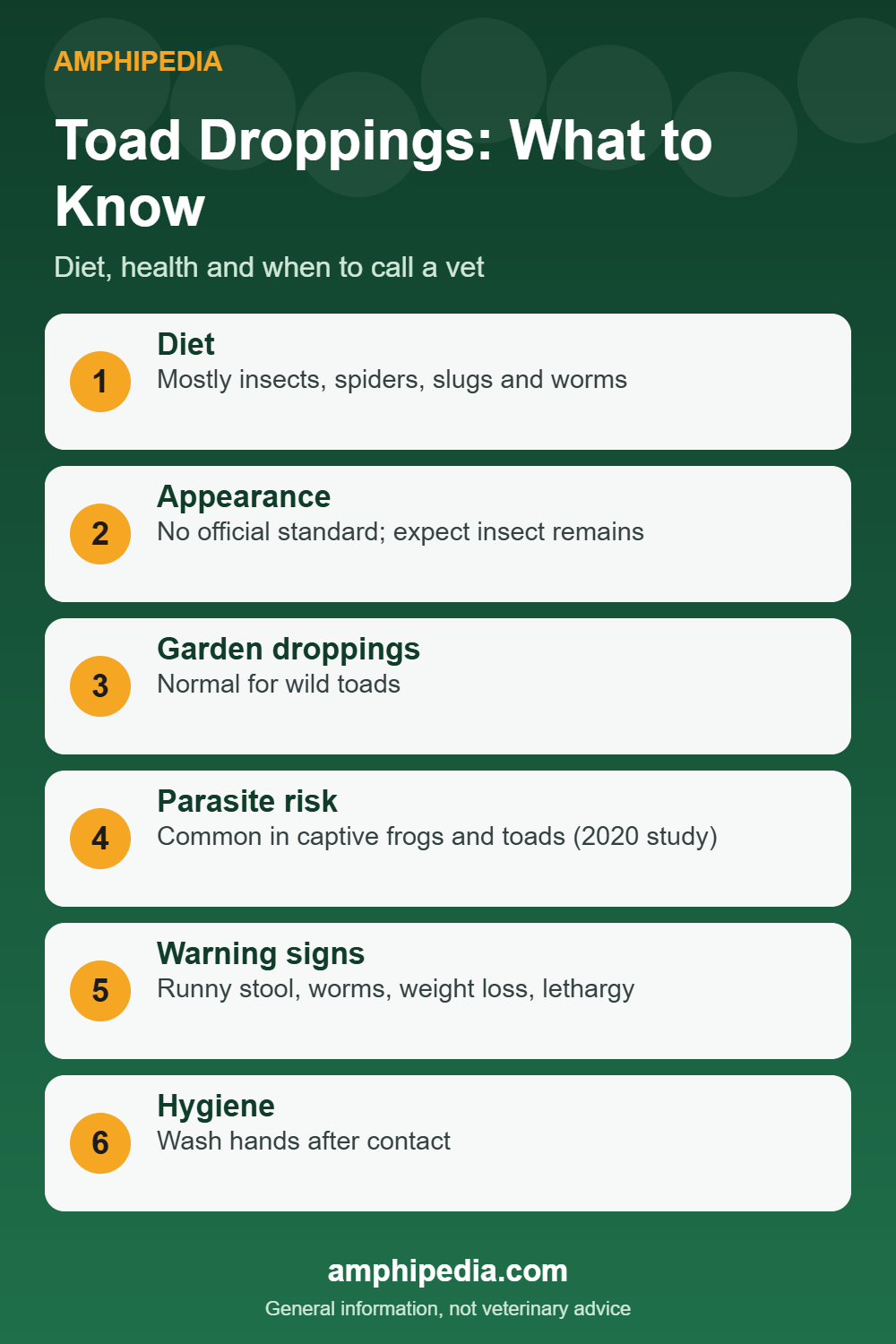
Toad poop is usually small, dark and compact, and it often contains the hard, undigested remains of insects. Toads eat mostly beetles, ants, spiders, slugs and worms, so droppings reflect that diet. No agency publishes a standard description of toad droppings, so treat size and color as general expectations. A sudden change, runny stool or visible worms in a pet toad calls for a fecal exam with an exotics vet.
Finding droppings in a garden or terrarium raises a fair question. Is this normal?
Reliable guidance on appearance is thin. This article explains what toads eat, what that means for their droppings, and when a change is worth a vet visit.
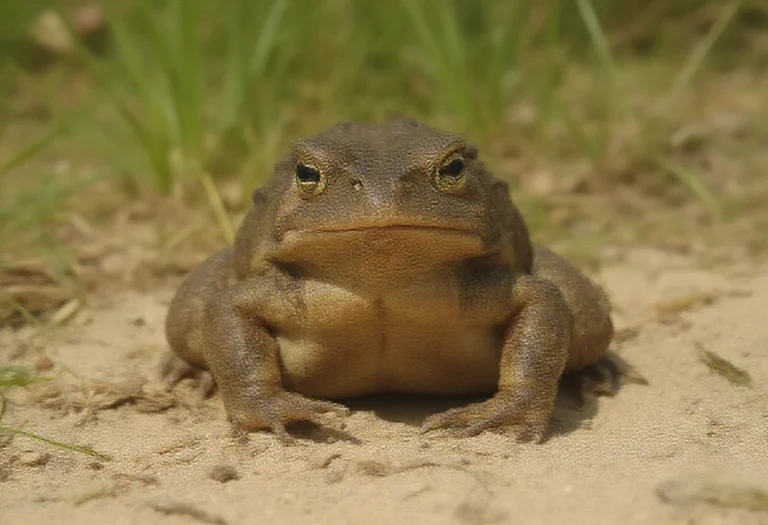
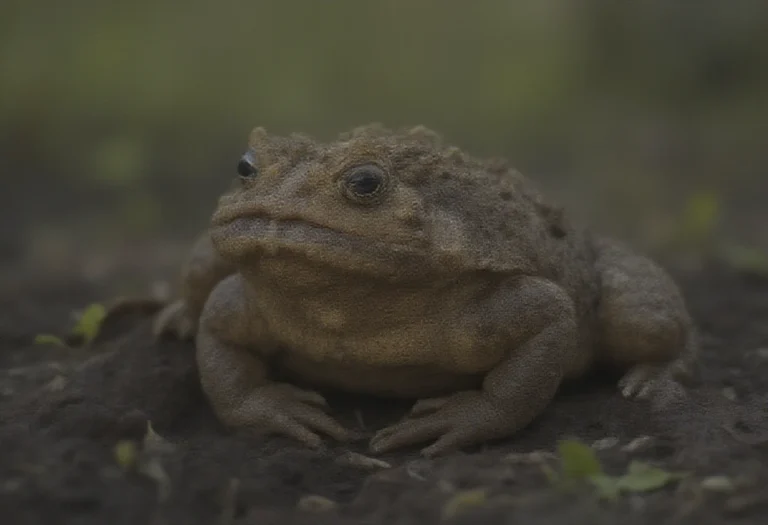
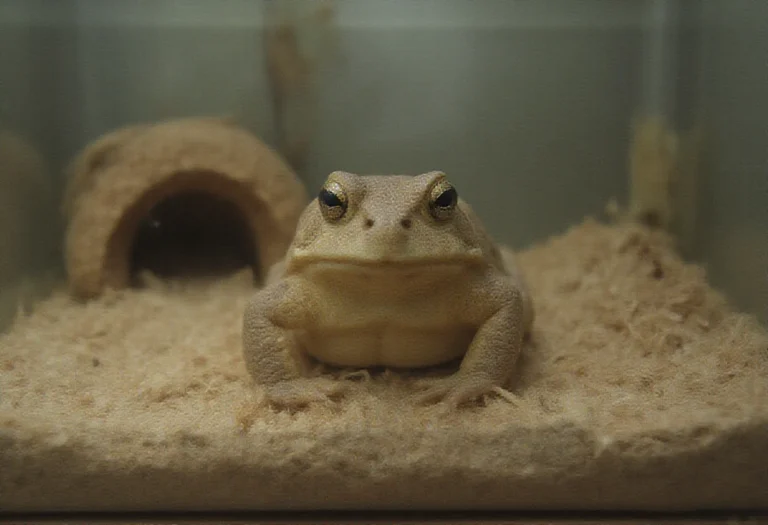
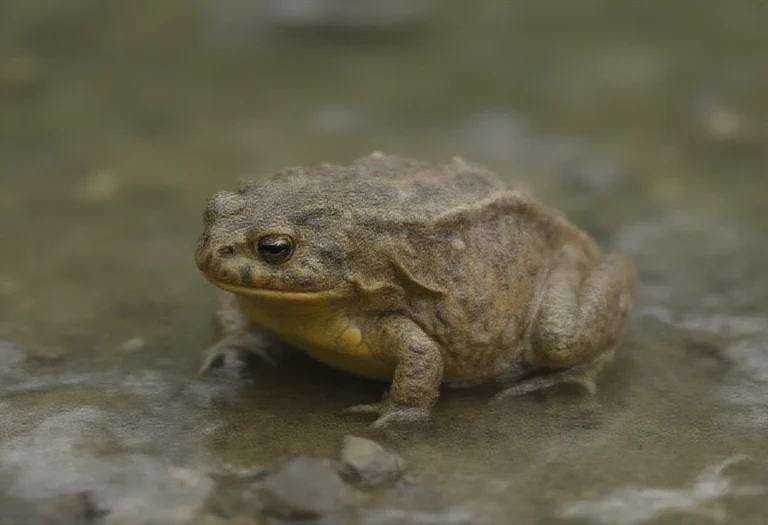
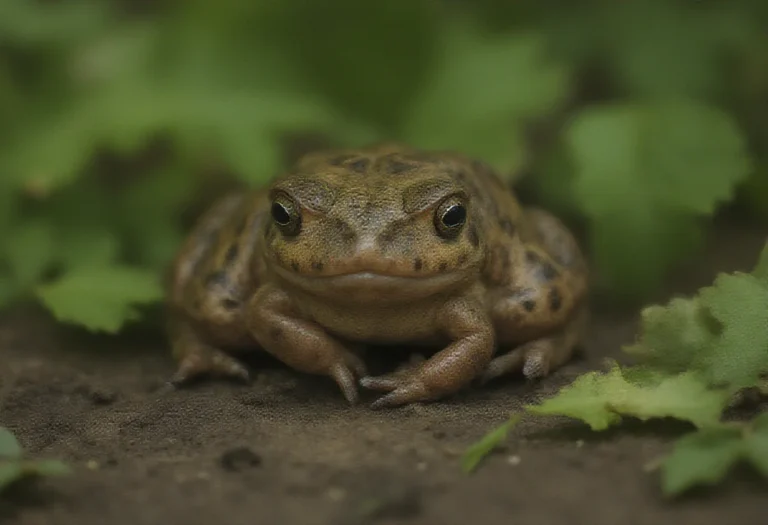
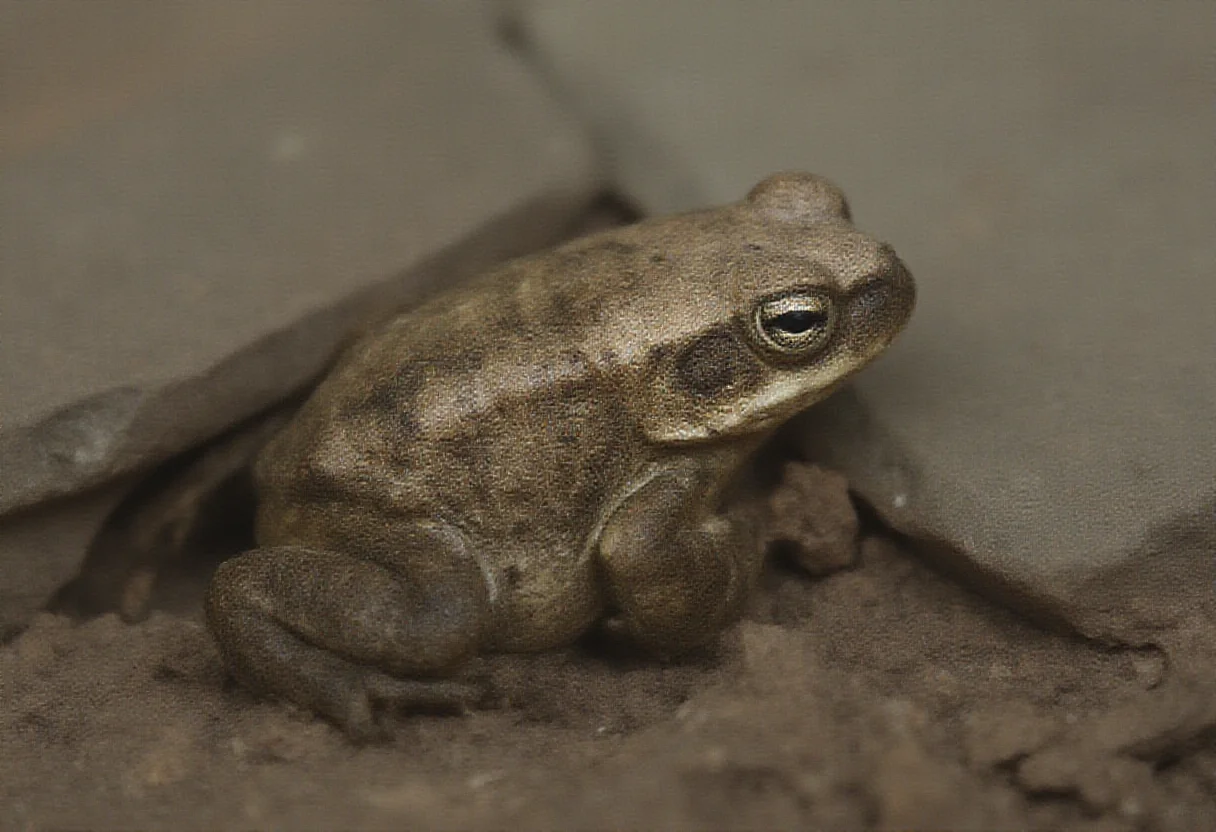
How this was made: prepared with AI assistance and checked against the sources listed at the end. Images are AI-generated illustrations, not photographs of real animals or products.
Key Takeaways
- Toads eat mostly insects and other small invertebrates, so droppings often include insect remains.
- No official source gives a standard size or color, so avoid over-reading one dropping.
- Wild toad droppings in a garden are normal and not a sign of a problem.
- Parasites are common in captive frogs and toads, according to a 2020 German study.
- A fecal exam by an exotics vet is the proper way to check for parasites.
- Wash your hands after cleaning a terrarium or handling a toad.
Pin this infographicShare on Facebook
What do toads eat?
Diet shapes droppings. The University of Connecticut notes that toads eat mostly insects such as beetles and ants, plus spiders, slugs, earthworms and other invertebrates. They may feed on hundreds of insects each day.
The North Carolina Wildlife Resources Commission describes the diet of the American toad as primarily insects and other invertebrates, with small vertebrates only occasionally. Adults forage at night.
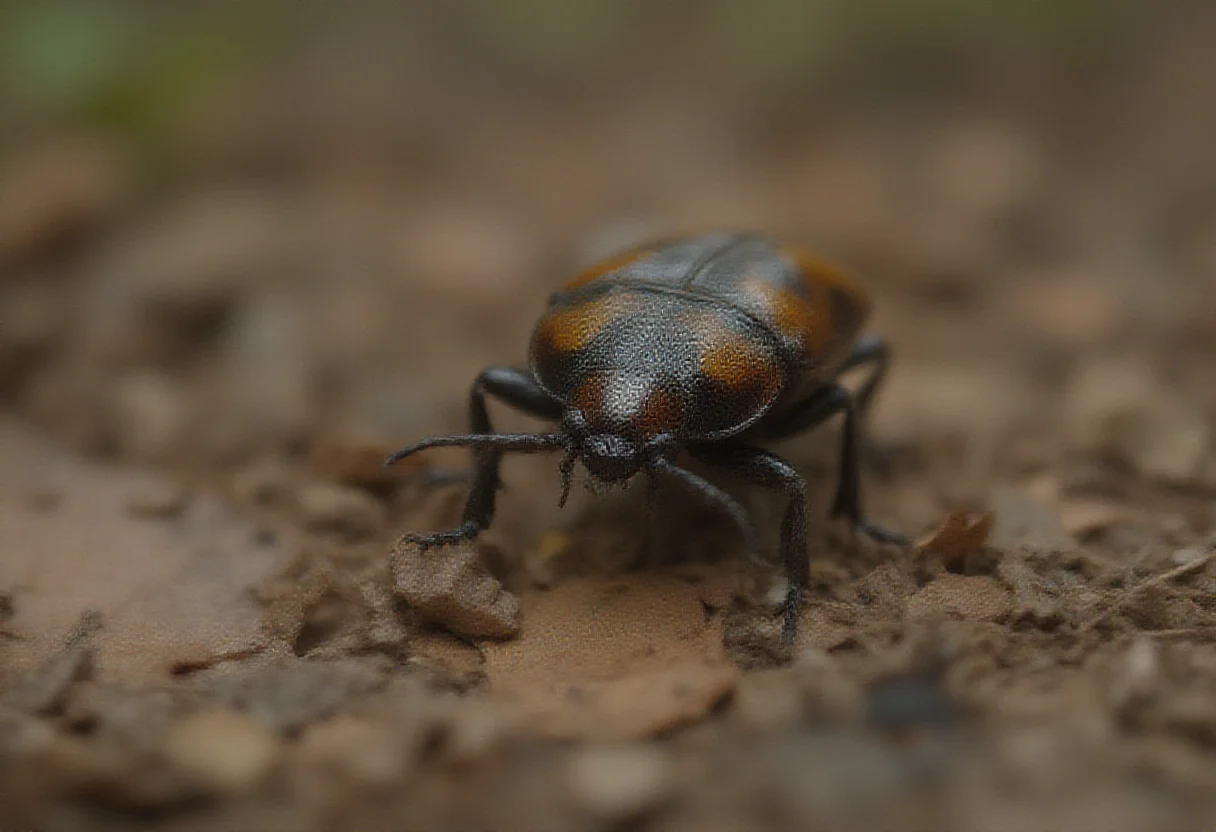
What toad droppings usually look like
Because toads swallow whole prey, you can expect small, compact droppings. Hard insect parts, such as beetle shell, do not digest easily and may show up as dark specks.
This is a reasonable expectation from the diet, not a measured standard. No wildlife agency or veterinary college source consulted for this article gives set values for size, color or smell. Size also varies with the size of the toad and what it ate.
Toad droppings in your garden
Toads live in forests, fields and residential areas, and they tolerate people well. During hot days they shelter under logs, stones or porches, so droppings often turn up near those spots.
Finding droppings is a sign that a toad is using your yard. That is good news for gardeners, since toads eat many insect pests.
Droppings in a pet toad enclosure
Remove droppings from a pet toad’s enclosure with a clean tool and wash your hands afterward.
Track what is normal for your own animal: how often it passes droppings, and how they look. Changes from that baseline matter more than any general description.
When changes may signal a problem
A 2020 study in Parasitology Research examined 161 fecal samples from 41 captive amphibian species in Germany. The study reports parasite infection rates of about 51% in frogs and toads and about 13% in salamanders.
The authors recommend routine fecal exams for new amphibians, ideally during quarantine. They also note that some parasites may have zoonotic potential.
Contact an exotics vet if you see any of the following in a pet toad:
- Runny or unusually foul droppings that persist.
- Visible worms or mucus in the droppings.
- Weight loss, a thin body, or loss of appetite.
- Lethargy or hiding more than usual.
How a vet checks
The study used direct saline fecal smears examined under a microscope as its main method. Your vet may ask for a fresh sample in a clean container.
Do not give medicine to a toad on your own. Treatment belongs to a veterinarian. You can find an exotics vet through the ARAV directory.
Quick reference
Use this table for a quick check.
| Question | Short answer |
|---|---|
| What do droppings contain? | Mostly insect remains |
| Is there a standard color? | No official standard found |
| Are droppings in the yard normal? | Yes, for wild toads |
| When to see a vet? | Runny stool, worms, weight loss, lethargy |
| Which test is used? | Fecal exam under a microscope |
Where toad droppings turn up outdoors
The University of Connecticut says toads are mostly nocturnal and rest on hot days in cool, sheltered spots such as under logs, stones, porches or a purpose-made toad abode. It adds that they often return to the same spot.
A reasonable reading is that droppings are most likely to appear near those daytime shelters and along the routes toads use at night. That is an inference, not a published observation, because neither the Connecticut guide nor the North Carolina American toad profile mentions droppings.
The same guide gives garden tips that also reduce disturbance: leave old logs, rocks or cracked flowerpots as hiding places, keep pesticide use to a minimum, and watch for toads when mowing or using a weed trimmer. For night habits of one regional species, see are southern toads nocturnal.
Season and activity
What a toad leaves behind depends on whether it is feeding. The North Carolina Wildlife Resources Commission says the American toad spends winter in burrows in moist soil and, outside winter, emerges at night to forage. Connecticut’s guide says toads there burrow below the frost line to hibernate.
So fresh droppings in cold weather are unlikely from wild toads that are hibernating, while warm, damp nights are when feeding is most likely. Again, this follows from the activity pattern. No source gives droppings counts by season.
Toad size and what it can eat
Droppings scale with the animal. The University of Connecticut gives 2 to 4.5 inches for the American toad, while the North Carolina Wildlife Resources Commission gives 2 to 4 inches, with females usually larger than males. The two agencies give slightly different upper limits, so treat the range as roughly 2 to 4.5 inches.
Connecticut also notes that about 300 toad species exist worldwide, and that two live in that state: the American toad and Fowler’s toad. A dropping from a Fowler’s toad or another species is not described in either source, so avoid matching a dropping to a species.
Toad tadpoles eat differently from adults. The Connecticut guide says tadpoles are omnivorous, eating aquatic plant matter as well as dead fish and other dead aquatic animals. Adults switch to a mostly insect diet after metamorphosis.
What parasite studies found in captive amphibians
The 2020 German study by Hallinger, Taubert and Hermosilla is the most detailed source for what vets look for in droppings. It examined 161 fecal samples from 41 species of frogs, toads, salamanders and newts kept by private owners and zoos, and found 12 parasite types in the samples.
| Finding | Result reported |
|---|---|
| Most common in fecal samples | Rhabdias/Strongyloides nematodes (19.3%) |
| Flagellates | 8.7% of samples |
| Amphibiocapillaria/Neocapillaria nematodes | 7.5% of samples |
| Dead animals examined at necropsy | 42 of 107 (39.3%) had endoparasites |
| Deaths from severe parasitic or bacterial infection | 17 animals (15.9%) |
The authors found infection rates were higher in frogs and toads than in salamanders, mainly because of Rhabdias/Strongyloides. Their data are not fully consistent across sections, so treat percentages as approximate. The sample came from captive animals in Germany, so it cannot tell you how common parasites are in wild toads in your garden.
How the lab finds parasites
The study’s main method was a direct saline fecal smear: fresh droppings mixed 1:1 with 0.9% saline and examined under a light microscope. Stained smears were used to look for Cryptosporidium.
This is why a vet asks for a fresh sample and not a photo. Appearance alone cannot reveal which parasite, if any, is present. A microscope can.
The authors recommend that newly acquired amphibians, including zoo animals, be screened for parasites during quarantine as a routine health check, and that treatment decisions follow clinical signs with an emphasis on prevention.
Questions to bring to the vet
Before an appointment with an exotics vet, collect facts you can state clearly:
- How long the toad has been in your care and where it came from.
- What it eats and when it last ate.
- Whether any other amphibian shares or recently shared its enclosure.
- What its droppings have looked like compared with its usual pattern.
- Any change in weight, activity or hiding behavior.
Ask the clinic how it wants the sample collected and stored. The ARAV directory at arav.org/professionals lists veterinarians who see amphibians.
Hygiene for droppings and enclosures
CDC says reptiles and amphibians often carry Salmonella bacteria in their digestive tracts. Wash your hands with soap and running water after handling a pet, its habitat or its food.
CDC also says to keep reptiles, amphibians and their equipment out of the kitchen and never to use food preparation areas to clean habitats or equipment. Children younger than 5 years old should not handle or touch reptiles or amphibians or their environments.
The University of Connecticut says toad warts cannot be passed to people, but glands behind the eyes produce a toxin that can irritate or deter predators. That is one more reason to wash hands after touching a toad or its water.
Wild toads and pollution
The University of Connecticut notes that pesticides, fertilizers and heavy metals such as lead can kill juvenile toads or harm them in other ways, and that limb deformities are often seen in toads living in highly polluted habitats.
For gardeners, that makes droppings a small sign of a bigger picture. A toad that is eating and passing waste in your yard is living in a habitat that still holds enough insects and shelter. Keeping chemical use low protects the food supply that produces those droppings.
If you find a sick or dead toad, do not handle it bare-handed, and consider contacting your state wildlife agency or a local vet.
Mistakes to avoid when judging droppings
- Diagnosing from a photograph. The study’s method needs a microscope and a fresh sample.
- Reading too much into one dropping. Changes from your own animal’s baseline matter more.
- Treating a pet toad with medicine bought for another animal. Treatment belongs to a veterinarian.
- Skipping quarantine for a new amphibian, when the authors recommend screening during quarantine.
- Cleaning a terrarium or its tools in the kitchen sink, which CDC advises against.
None of these steps needs special equipment. They need patience, clean habits and a vet who sees amphibians.
Frequently Asked Questions
What color is toad poop?
There is no official standard. Expect dark, compact droppings with insect remains, and judge changes against what is normal for that animal.
Is toad poop harmful to touch?
Avoid touching droppings. Wash your hands after any contact, because amphibians can carry germs.
How often do toads poop?
This depends on size, age and feeding. Track your own animal to learn its pattern.
Do wild toads poop in gardens?
Yes. Toads forage at night and shelter under logs, stones or porches by day.
Can parasites be seen in toad droppings?
Sometimes, but most are found only by microscope. A fecal exam by a vet is the reliable method.
Should I treat a toad myself?
No. Call an exotics vet for diagnosis and treatment.
Bottom Line
Toad droppings tell a small story about diet and health. One dropping rarely matters, but repeated changes do.
If you keep a toad, schedule a fecal exam with an exotics vet, especially for a new animal.
Sources
- Toads are Terrific. University of Connecticut Home and Garden Education Center, accessed 31 October 2026
- American Toad. North Carolina Wildlife Resources Commission, accessed 31 October 2026
- Hallinger, Taubert and Hermosilla (2020). Endoparasites infecting exotic captive amphibian pet and zoo animals in Germany. Parasitology Research, accessed 31 October 2026
- Find an exotics vet. ARAV, accessed 31 October 2026
- CDC: Reptiles and Amphibians, accessed 13 November 2026