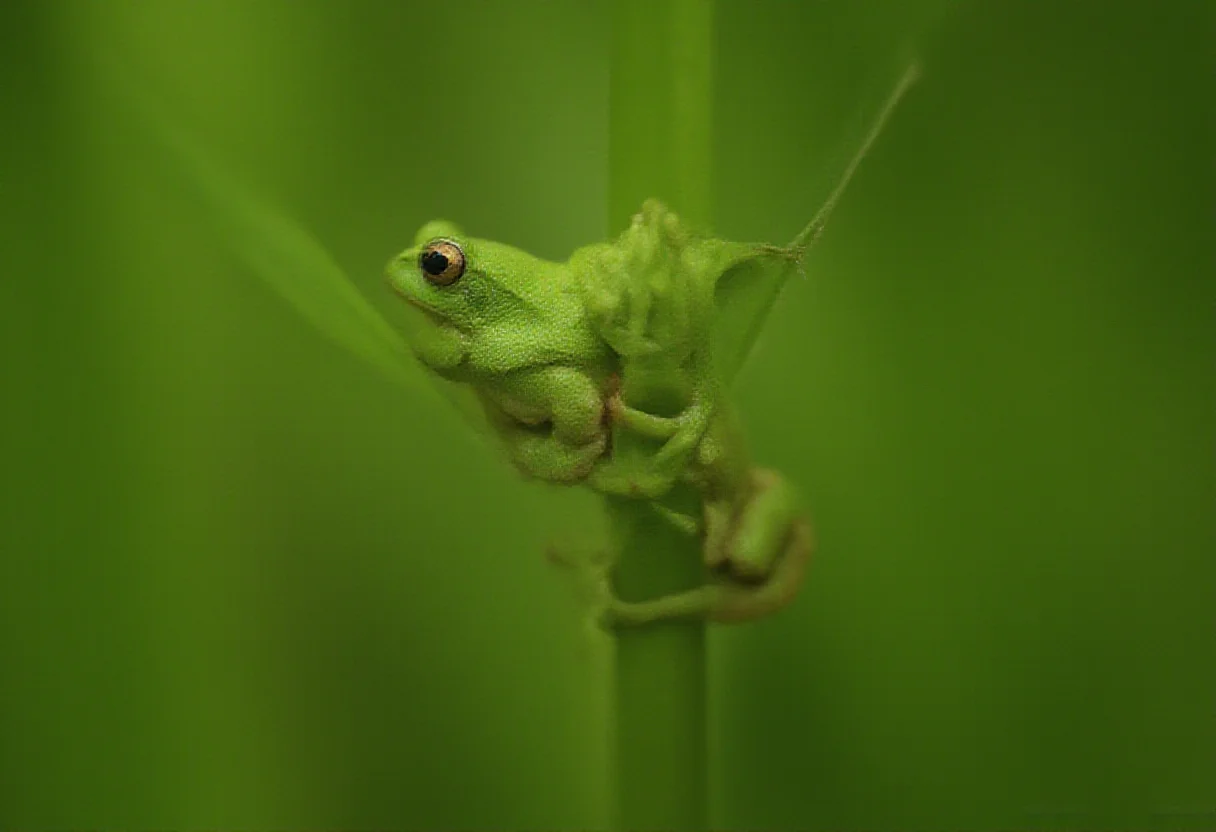
American Green Tree Frog Care: Wild Biology to Home Setup
This post contains affiliate links. As an Amazon Associate I earn from qualifying purchases. Prices and availability are shown by Amazon and can change.
The American green tree frog (Dryophytes cinereus, also Hyla cinerea) is a small, nocturnal climber from the southeastern United States. Keep it in a tall, ventilated tank with plants, a shallow water dish, daytime temperatures of about 23 to 27 C, humidity of 50 to 60 percent by day rising at night, and live insects no wider than its head.
This small green frog lives around ponds, swamps and porch lights in the southeastern United States. Knowing how it lives outside makes its care easier to understand.
This guide focuses on the species itself. If you are comparing several frogs that share the name, see the broader green tree frog care guide. Care sources for this species are mostly retailer and manufacturer sheets, so the ranges they give are shown.
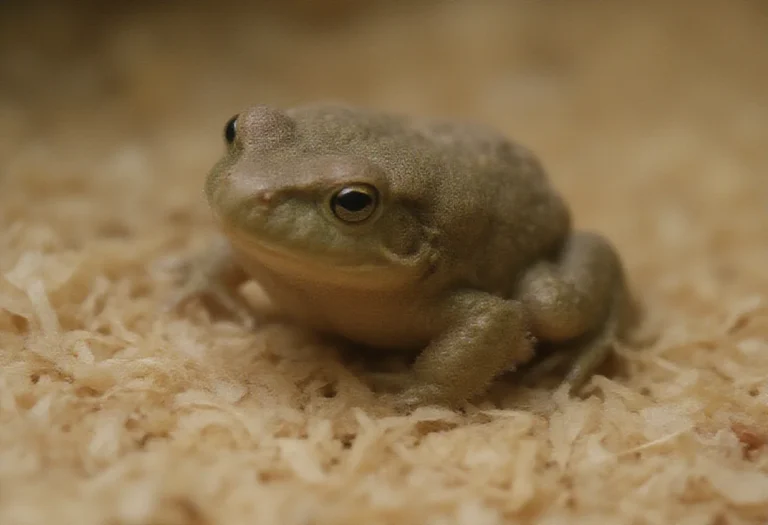
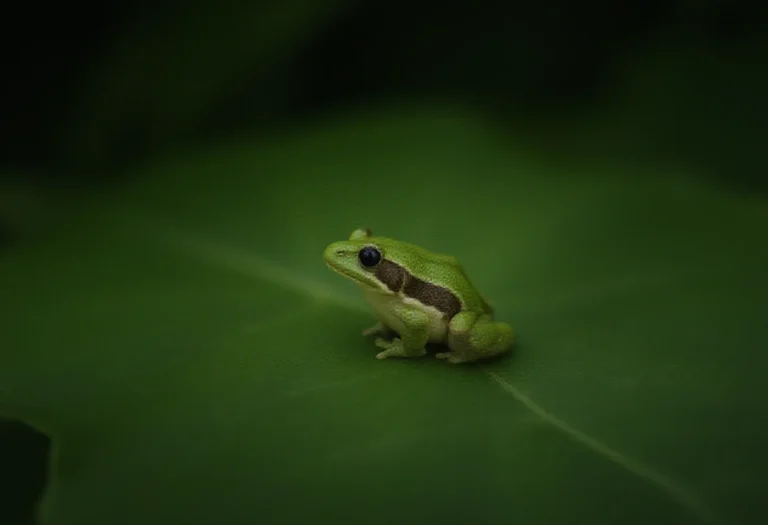
How this was made: prepared with AI assistance and checked against the sources listed at the end. Images are AI-generated illustrations, not photographs of real animals or products.
Key Takeaways
- The American green tree frog is small, about 3 to 6 cm, and lives in vegetation near water.
- It is nocturnal and calls loudly, so expect noise at night.
- Daytime temperatures of 23 to 27 C and higher humidity at night are recommended by manufacturer and retailer guides.
- UVB is not strictly required but is advised by some guides, so ask an exotics vet.
- Never release a pet frog outdoors. Escaped or released frogs can spread disease and compete with native species.
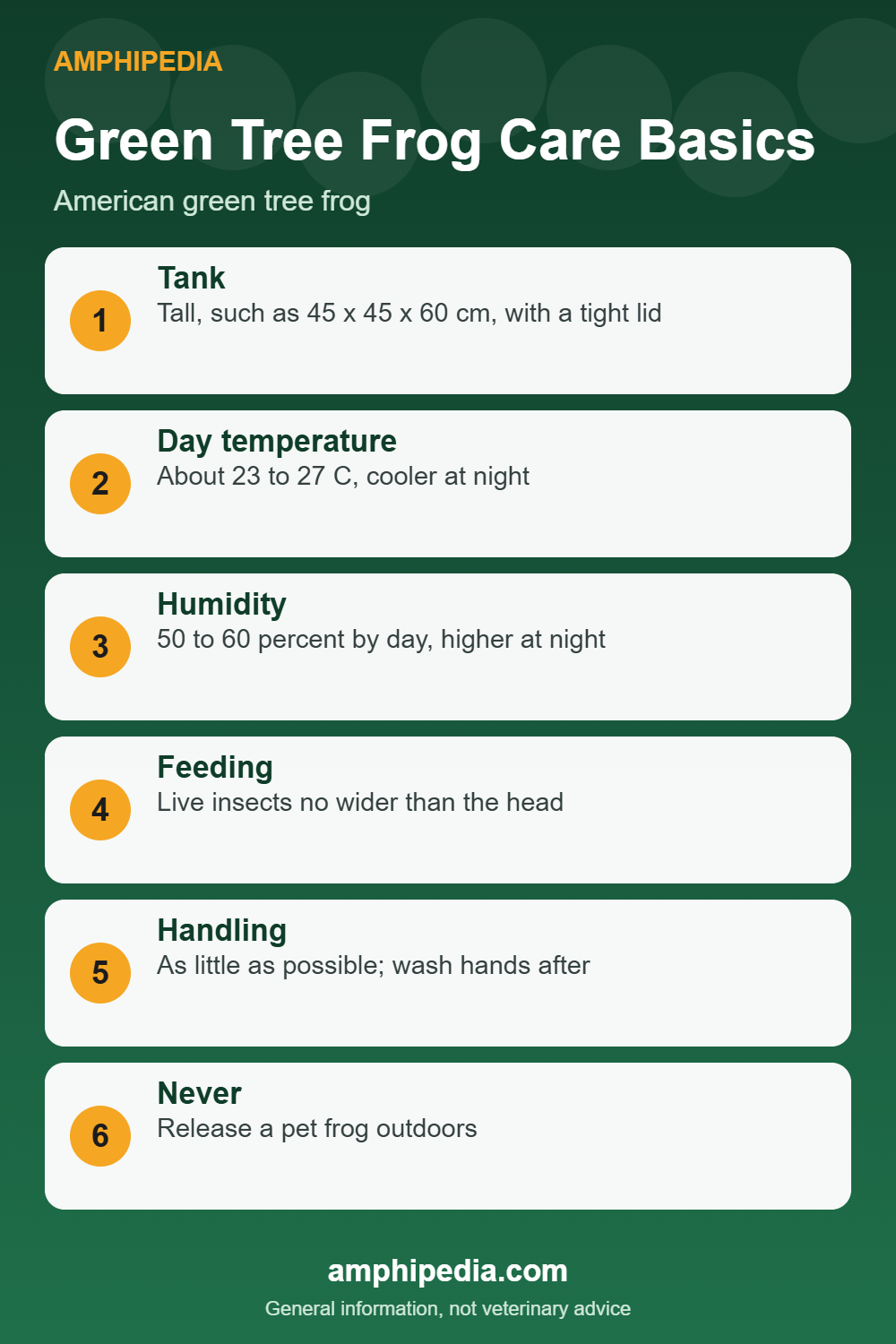
Pin this infographicShare on Facebook
Gear for a Tall Tree Frog Tank
Items that match the tall, humid setup above. Check size and material before buying.


Product titles, prices and ratings are provided by Amazon and are accurate only at the time they are displayed.
Wild biology that shapes care
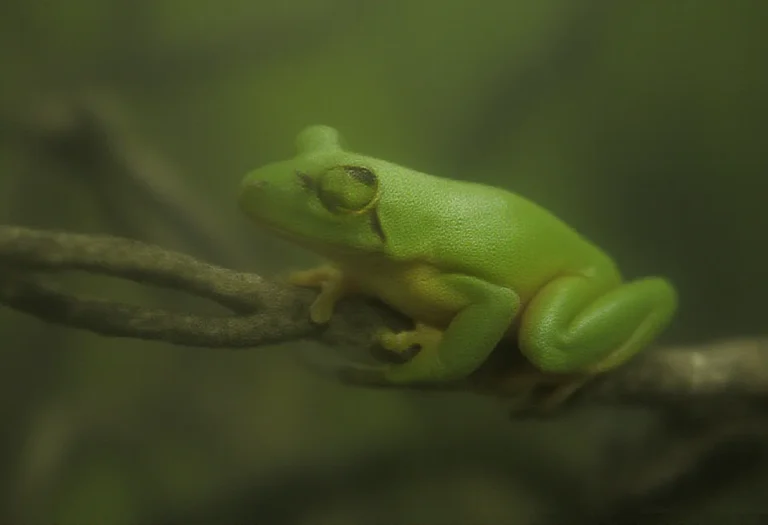
The Florida Museum says the green treefrog is small and smooth-skinned, usually 1 to 2.5 inches (about 2.5 to 6 cm) long. Skin ranges from grayish-green to dark green to bright green, and many have a distinct light stripe on each side with strong black borders.
It lives mainly in the southeastern United States, on wetlands and the edges of small bodies of water. It climbs in vegetation and usually stays within about 100 yards of a reliable water source. It eats mostly flies, mosquitoes and other small insects.
The Savannah River Ecology Laboratory describes the call as a loud, nasal “reeenk”. Males call from March to October from plants and floating mats. The IUCN lists the species as Least Concern because it is common and widespread.
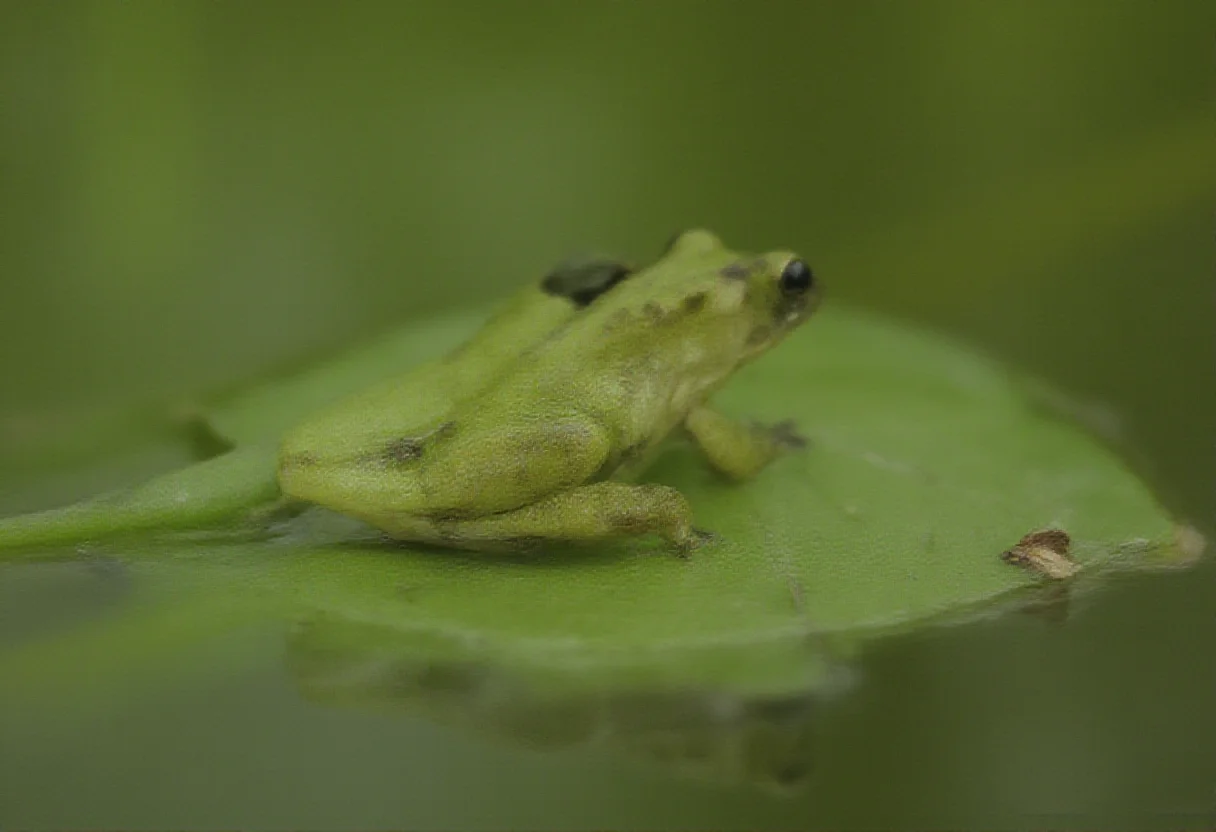
Care numbers at a glance
The figures below come from a terrarium maker, a retailer and a pet advice site. They are consistent but not from a veterinary college.
| Need | Reported figure | Notes |
|---|---|---|
| Adult size | About 3 to 6 cm | Males smaller than females |
| Lifespan | Up to about 7 years | Two sources say about 7; one says 2 to 5 |
| Day temperature | 23 to 27 C; basking spot near 27 C | Do not exceed about 27 C |
| Night temperature | 18 to 21 C | Small drop at night |
| Day humidity | 50 to 60 percent | Higher after misting |
| Night humidity | 75 to 100 percent | Sources differ |
| Tank | 45 x 45 x 60 cm for 2 to 3 frogs | Tall, not wide |
Tank and plants
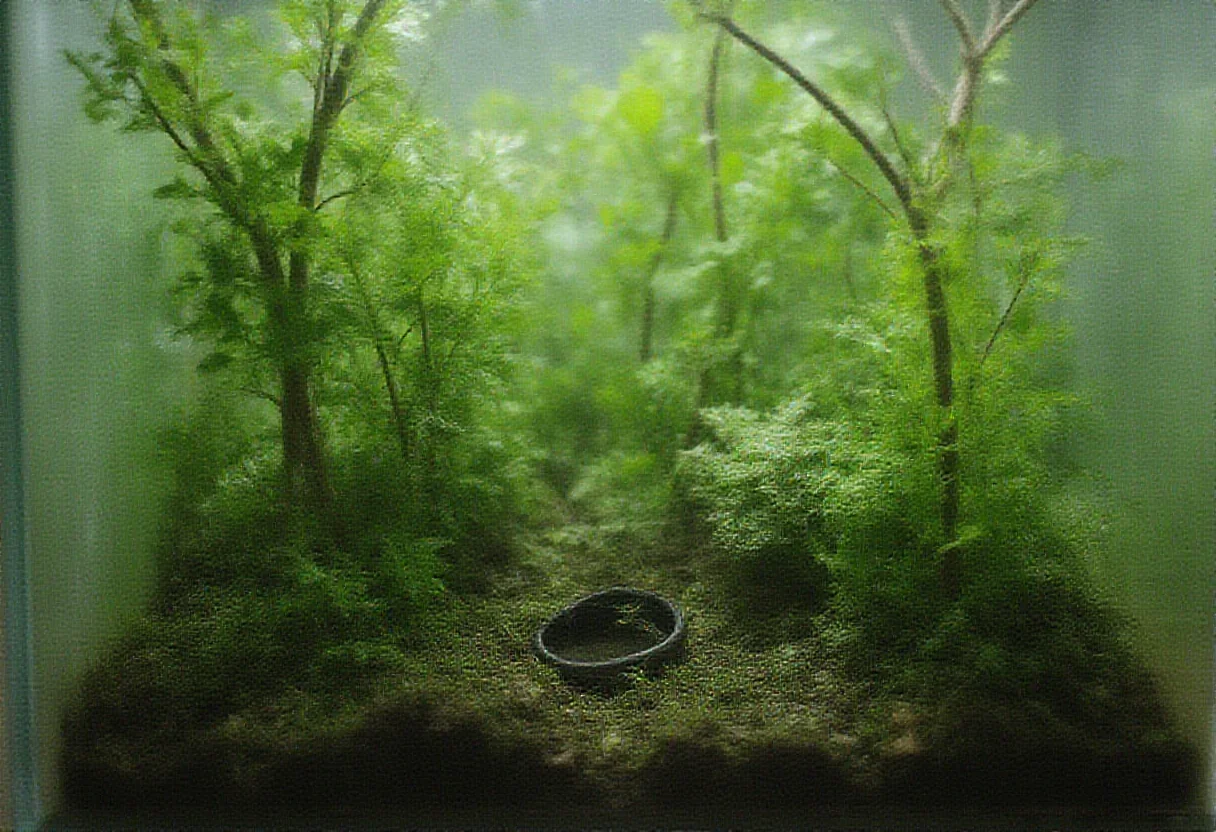
This is an arboreal frog, so height matters more than floor space. A manufacturer guide suggests a tall 45 x 45 x 60 cm terrarium for two to three frogs, and a retailer says glass works best. A tight screen lid keeps the frog inside.
Fill the tank with plants, branches and wood for climbing. A pet advice site suggests moss, bark or mulch as bedding and does not recommend gravel or rocks. Choose sturdy plants that the frog cannot crush.
A shallow dish of dechlorinated water gives the frog a place to sit. The pet advice site notes that these frogs are poor swimmers, so keep the dish shallow.
- Choose a tall tank with a tight screen lid.
- Add vines, branches and live or artificial plants.
- Use moss or bark that holds moisture.
- Keep a shallow water dish.
Setting up the tank step by step
Prepare the tank a few days before the frog arrives so you can fix problems without a frog inside.
- Rinse the tank with water only and dry it.
- Add a damp moss or bark layer.
- Fit branches and plants, leaving open climbing routes to the top.
- Place a shallow water dish with dechlorinated water.
- Install a thermometer and hygrometer, then adjust heat and misting.
- Add the frog and keep the room quiet for the first days.
Temperature and humidity
A manufacturer guide gives 23 to 27 C by day, with a basking spot near 27 C, dropping to 18 to 21 C at night. A retailer suggests a near-constant 24 C using a thermostat-controlled heat mat and mentions 24 to 27 C if a basking bulb is added.
The manufacturer guide gives humidity of 50 to 60 percent by day, rising to 75 to 80 percent at night. The pet advice site lists 80 to 100 percent at night. Measure with a hygrometer and mist each morning, as the retailer advises.
If you are unsure, aim for the middle of the ranges and watch the frog. Use a thermostat for any heat mat and check the cool end with a thermometer.
Lighting and UVB
Guides disagree on UVB. One manufacturer says it is not strictly required but helps calcium metabolism and helps prevent metabolic bone disease. A retailer recommends a UV tube in the canopy. A pet advice site says no special lighting is needed.
Because the sources differ, ask an exotics vet. If you use UVB, replace lamps on the maker’s schedule. The retailer says every 9 months for T5 tubes and every 6 months for compact lamps. A manufacturer guide suggests a 12-hour light cycle.
Feeding
These frogs eat live insects. Brown crickets are readily accepted, and locusts are also suitable, with mealworms, waxworms or calciworms as occasional variety. Offer insects no wider than the frog’s head. Their natural diet is small, so avoid prey that is too large.
Gut-load insects for 24 to 48 hours before feeding, and dust them with calcium and vitamin powder. One manufacturer recommends a 1:1 mix of multivitamin and calcium with D3. The same guide says wild-caught insects are not recommended.
Feed juveniles daily. For adults, the manufacturer says every second or third day, and a pet advice site says every other day. Remove uneaten insects after the frog has fed.
Group housing and handling
The manufacturer says they are social and do best in groups of 4 to 8, though they can live alone. The pet advice site says they are compatible with their own species and should not share with other amphibians, reptiles or pets.
Handle them as little as possible. The manufacturer notes that they may leap and injure themselves, and that their skin is sensitive to soaps and lotions. Wash and rinse your hands with warm water before and after any contact.
The CDC says amphibians can carry Salmonella. Wash with soap and running water after contact. Children younger than 5 years old should not handle or touch reptiles or amphibians or their environments because they are at a higher risk for serious illness and hospitalization caused by Salmonella infection. Because they are more likely to carry certain germs, reptiles and amphibians aren’t recommended for households with young children, people with weakened immune systems, or adults 65 and older.
Health signs and when to call a vet
Warning signs listed by the pet advice site include red or swollen eyes, wheezing, lethargy and loss of appetite. Clean the tank weekly and check your frog every day.
An exotics vet should examine a sick frog. Find one through the ARAV directory. Do not treat amphibians with home remedies or medicines meant for other pets.
Native or introduced: keep it local
Some of the species in this region have spread well beyond their natural range. The Savannah River Ecology Laboratory notes that green treefrogs have moved into the Piedmont, probably through transported plants and pine straw. The Florida Museum also warns that the invasive Cuban treefrog looks similar but is larger, with bigger toe pads and bumpy skin.
Never release a pet frog. A released animal can carry disease and compete with native frogs. If you can no longer keep your frog, contact a reptile rescue or an exotics vet.
Common mistakes
Most problems start with the tank, not the frog.
- Using a wide, low tank instead of a tall one.
- Letting the tank run too hot.
- Feeding insects that are too large.
- Handling the frog for fun.
- Releasing a pet outdoors.
Breeding and tadpoles
The Vet Desk says the breeding season runs from March to October, and a female can lay up to 700 eggs. Tadpoles take about a month to become frogs and about six months to reach full size. That is a large number of young animals, and few keepers can house them.
Do not breed frogs without a plan for every tadpole. Never release them outdoors. If you want to see the life cycle, watch wild frogs in your local wetlands instead.
Telling it from the Cuban treefrog
UF/IFAS says any treefrog in Florida longer than 3 inches is almost certainly a Cuban treefrog, an invasive species that preys on native treefrogs. The Florida Museum gives green treefrogs as usually 1 to 2.5 inches.
UF/IFAS also describes Cuban treefrogs as having exceptionally large toe pads, very large bug-eyed eyes and a raspy call that sounds like a squeaking door. It advises being positive about an identification before acting, and sightings can be reported through EDDMapS.
Sexing and group size
Exo Terra says males are smaller and slimmer than females, with loose throat skin over the vocal sac. The Vet Desk notes that sex is hard to tell and that pet stores usually cannot guarantee it.
For groups, Exo Terra lists 45 x 45 x 60 cm for two or three frogs, 60 x 45 x 90 cm for four or five, and 90 x 45 x 90 cm for five to eight.
Frequently Asked Questions
What is an American green tree frog?
It is Dryophytes cinereus, also written Hyla cinerea, a small green frog native to the southeastern United States.
How long do American green tree frogs live?
Two manufacturer and retailer sources say about 7 years in captivity. A pet advice site gives 2 to 5 years.
Do they need UVB?
Guides disagree. One says it is not strictly required but helps calcium metabolism, so ask an exotics vet.
How many can live together?
A manufacturer says groups of 4 to 8 do well, but a single frog is fine.
Is it legal to keep one?
Rules vary by country and state. Check your wildlife agency, and never collect a frog from the wild.
Why does a green tree frog call at night?
Males call, especially in breeding season. The species is nocturnal and calls loudly.
What do American green tree frogs eat in the wild?
The Florida Museum says they eat mainly flies, mosquitoes and other small insects, often near porch lights.
Bottom Line
The American green tree frog is a small, easy-to-keep climber when the tank is tall, moist and well planted. The key is steady care, not complicated equipment.
Watch its habits and let the wild biology guide your choices. When something looks wrong, ask an exotics vet.
Sources
- Florida Museum: Green Treefrog, accessed 13 November 2026
- Savannah River Ecology Laboratory: Green Treefrog, accessed 13 November 2026
- Exo Terra: Hyla cinerea care guide, accessed 13 November 2026
- Reptile Centre: Green tree frog care sheet, accessed 13 November 2026
- The Vet Desk: American green tree frog, accessed 13 November 2026
- CDC: Reptiles and amphibians, accessed 13 November 2026
- UF/IFAS EDIS: Cuban treefrog identification (UW259), accessed 13 November 2026
- ARAV: Find a veterinarian, accessed 13 November 2026
One Comment